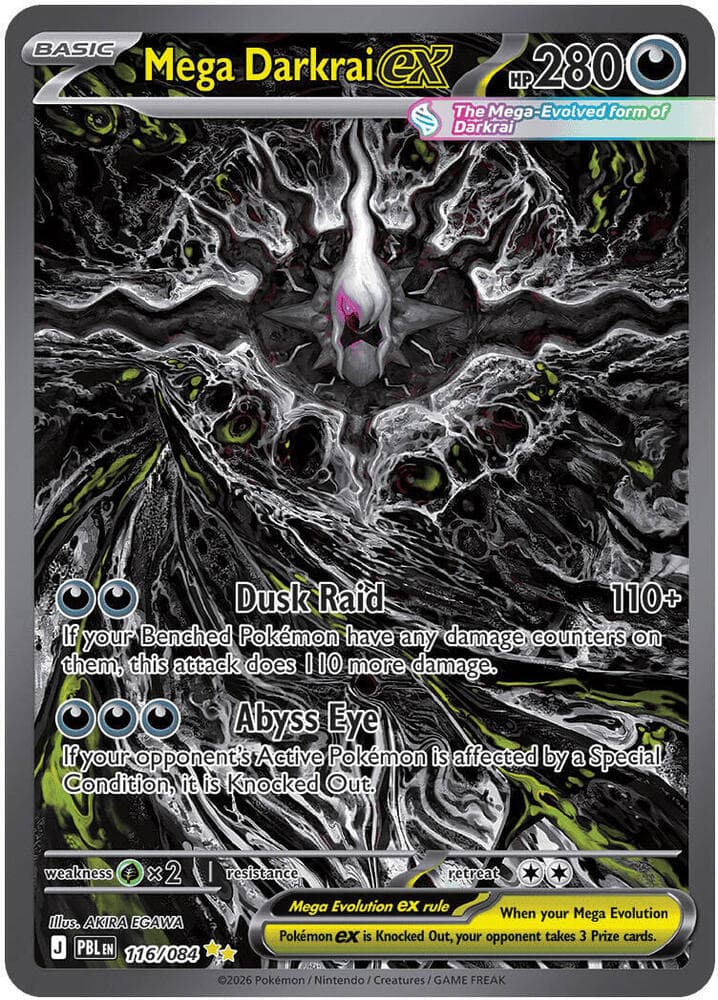
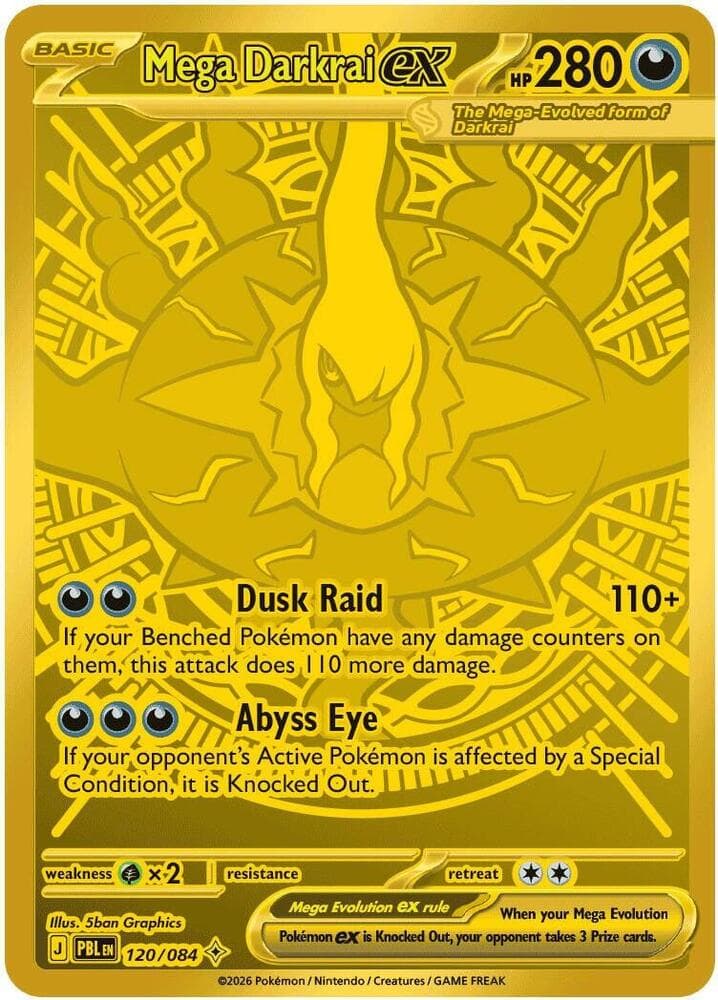
Every genuine Pokémon card has an exact identity: a collector number, a set, a rarity, an illustrator, and specific text. Counterfeiters get these details wrong surprisingly often — cards with numbers that do not exist in the set, wrong rarity symbols, an illustrator credit that belongs to a different card, or attack damage that never appeared on any official print. A card that claims to be "4/102" but has the wrong illustrator name is fake, no matter how good the paper feels.
This is the check where a catalog does the heavy lifting. Look up the exact printing and compare field by field: number, set symbol, HP, attacks, weakness, illustrator. For example, the Base Set Charizard — probably the most counterfeited card in the hobby's history — has an exact combination of number 4/102, illustrator Mitsuhiro Arita, and specific attack text that a large share of fakes get subtly wrong. Swaptio's catalog covers printings across languages and eras precisely so you can pull up the real card next to the one in your hand.
Pay special attention when a card exists in several versions. The same Pokémon in the same set can have multiple printings at wildly different values, and fakes sometimes mix elements of two versions — the art of the expensive one with the number of the cheap one. If number, art and rarity do not line up with one real printing, walk away.