How to Start a Pokémon Card Collection (Complete Beginner Guide)

Published July 23, 2026 · 11 min read

Starting a Pokémon card collection in 2026 is simple: pick a theme you actually care about (a favorite Pokémon, a specific set, or full-art cards), get a small amount of sealed product or singles to learn the basics, and protect everything from day one with sleeves and a binder. You do not need a big budget, and you definitely do not need to chase the most expensive cards first.

This guide walks you through the whole process step by step: what to buy first, how rarities and eras work, when sealed packs make sense versus buying or trading for singles, what a realistic monthly budget looks like, and the beginner mistakes that cost people the most money. Every card and price mentioned here comes from real catalog data, so you can see how the market actually behaves.

What should you buy first as a beginner?

The best first purchase is not the shiniest box on the shelf — it is whatever teaches you the game's structure fastest for the least money. For most people that means one or two booster packs from a current set (to experience opening cards and see the rarity spread yourself), plus a handful of cheap singles of Pokémon you genuinely like. Commons and uncommons from modern sets often cost pocket change, and they are the same cardboard, print quality, and artwork lineage as the expensive cards.

Before spending anything on cards, spend a little on protection: penny sleeves, a binder with side-loading pockets, and a small box for bulk. A damaged card loses most of its collectible value, and beginners lose more money to bent corners than to bad purchases. If you want to understand exactly how wear affects value, our card condition guide explains the NM/LP/MP/HP scale that traders use everywhere.

Finally, pick a direction early, even a loose one. "I collect Eevee cards", "I'm completing the 151 set", or "I only collect Illustration Rares" are all valid. A theme turns random accumulation into a collection, makes your budget go further, and — importantly — tells you which of your pulls are trade material rather than keepers.

How do Pokémon card rarities and eras work?

Every Pokémon card has a rarity, usually marked by a symbol near the bottom: a circle for Common, a diamond for Uncommon, and a star for Rare and above. Modern sets go much further, with Double Rares (the "ex" cards), Ultra Rares, Illustration Rares, Special Illustration Rares, and Hyper Rares. The higher tiers are pulled far less often, and that scarcity — combined with popular artwork — is what drives prices.

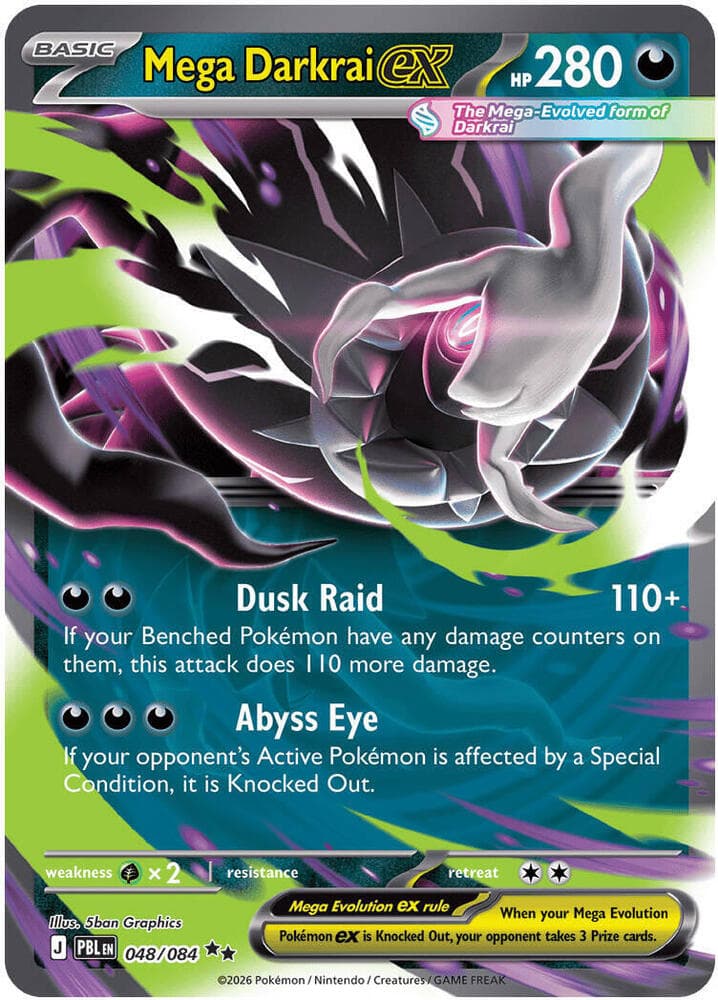
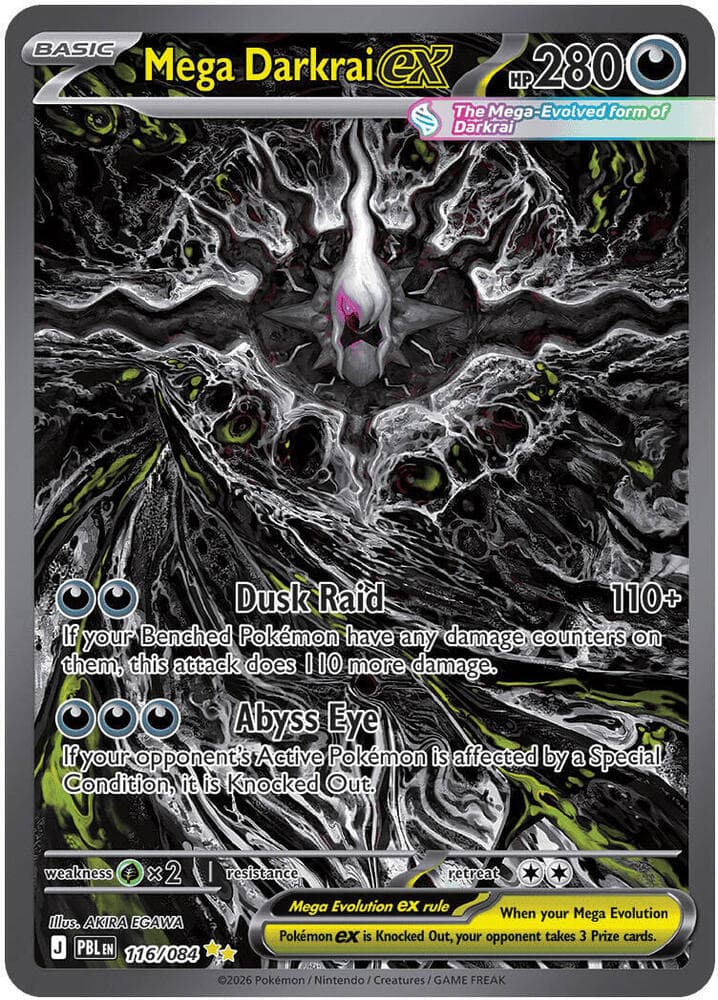
The gap between tiers is bigger than most beginners expect. A concrete example from real market data: Mega Darkrai ex from the Pitch Black set exists as a Double Rare (#048) at around $0.92, and as a Special Illustration Rare (#116) at around $293.88. Same Pokémon, same set, same playability — a price difference of more than 300x driven purely by rarity and art. Understanding this before you buy anything protects you from overpaying for the cheap version of a card or underestimating the expensive one in a trade.

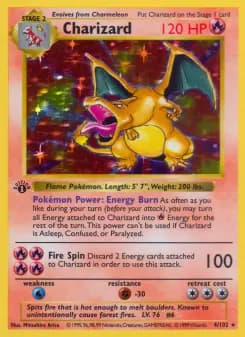
Eras matter too. The hobby is usually divided into vintage (Base Set through the early 2000s), the middle eras (EX, Diamond & Pearl, Black & White, XY, Sun & Moon), and the modern era (Sword & Shield, Scarlet & Violet, and the current Mega era). Vintage cards like the original Base Set Charizard carry historical weight and are graded and traded as classics; modern cards are easier to find in perfect condition and have spectacular alternate art. Neither is "better" — but they behave very differently as collectibles, and mixing up their logic is a common beginner error.

Sealed packs or singles: which is better value?

Opening booster packs is the most fun part of the hobby, and the worst way to acquire a specific card. The math is simple: the chase cards of a set appear in a small fraction of packs, so if you want one particular Illustration Rare, buying or trading for the single is almost always cheaper than opening packs until it appears. Sealed product is entertainment with a lottery attached; singles are groceries.

A sensible split for beginners: use sealed product occasionally and deliberately — a couple of packs from a new set to feel the release, or a themed collection box you like — and get everything with a name on your wishlist as a single. This is also where trading changes the economics completely: every duplicate you pull from a pack stops being dead weight and becomes currency for the singles you actually want.

One warning about "deals" on sealed product: heavily discounted vintage or out-of-print boxes from unknown sellers are a red flag, because resealing and pack weighing exist. As a beginner, treat sealed product from anywhere other than established retail with skepticism. When in doubt, singles from a trader with reputation and photos are the safer route — our guide on how to trade cards safely online covers exactly how to vet the other side.

What is a realistic budget to start collecting?

You can start a real collection with 20 to 30 USD: sleeves, a binder, a couple of packs, and a first batch of inexpensive singles. From there, the healthiest pattern we see among collectors is a fixed monthly amount — whatever fits your life, whether that is 15 or 100 USD — spent mostly on wishlist singles rather than impulse sealed purchases.

The key mental shift is separating collecting budget from gambling budget. Money spent on singles converts directly into the cards you wanted at a known price. Money spent on packs converts into a random distribution where most results are bulk commons. Both are legitimate — pack-opening is genuinely fun — but only one of them predictably builds the collection you set out to build.

Also budget zero for chasing top-end cards early. A card like the Special Illustration Rare Mega Darkrai ex at $293.88 is not a beginner purchase; it is the kind of card you work toward through trades, by accumulating and moving mid-value cards, or simply by deciding it is not your theme. The collectors who burn out fastest are the ones who tried to shortcut to the trophy cards in month one.

Where do you get cards without overpaying? Trade them

Every collector accumulates duplicates — it is a structural feature of buying sealed product. The traditional answer was to let them rot in a shoebox or sell them for a fraction of their value to a shop. The better answer is trading: your duplicates are exactly the cards another collector is missing, and their duplicates include cards on your wishlist. A trade converts two piles of dead cardboard into two happy collectors with zero money spent.

Trading is also the best education in the hobby. To trade well you have to learn real market prices, evaluate condition honestly, and communicate clearly — the three skills that separate collectors who build value from collectors who leak it. Beginners who trade from early on learn in months what pack-openers take years to absorb.

Local game stores and club nights are great for face-to-face trades. For everything your local scene does not have, online communities extend your reach to other cities and countries. Wherever you trade, the fundamentals are the same: know the market price of both sides, agree on condition with photos, and deal with people who have a track record. Start small — trade a few low-value cards first to learn the process before anything you would be sad to lose.

How should you store and organize your collection?

The storage hierarchy is simple and cheap. Bulk commons and uncommons live sorted in a cardboard box. Anything you care about lives in a penny sleeve. Your binder holds the collection itself — sleeved cards in side-loading pages, never top-loading pages that let cards slide out. Your best cards get a sleeve plus a rigid toploader, and anything genuinely valuable deserves a semi-rigid holder and a place away from sunlight, humidity, and curious pets.

Organize by whatever matches your theme: by set and card number if you are a set completionist, by Pokémon if you are a species collector, by rarity if you chase alternate arts. There is no wrong system, but having a system matters — it is how you notice gaps, spot duplicates, and know instantly whether a trade offer helps your collection.

Keep a simple inventory from day one, even just a note on your phone. Collections grow faster than memory. Knowing what you have — and what condition it is in — is the difference between confident trading and constantly wondering whether you are giving away something you needed.

What beginner mistakes cost the most money?

Buying packs to get a specific card. Covered above, but it is the number one leak. If a card has a name and a place on your wishlist, acquire it as a single or a trade target.

Ignoring condition. Two copies of the same card can differ several-fold in value depending on wear. Beginners routinely pay near-mint prices for played cards and give away near-mint copies at played prices. Learn the condition scale before your first serious trade.

Treating every shiny card as an investment. Most modern cards are printed in enormous quantities and will never appreciate. Collect what you love; if something gains value, treat it as a bonus. The moment the hobby becomes a portfolio, it stops being fun and starts being a badly diversified one.

Grading everything. Professional grading costs real money per card and only makes sense for cards whose value clearly justifies the fee. Grading a modern card worth a few dollars is a donation to the grading company.

Trading blind. Agreeing to swaps without checking market prices or asking for photos is how beginners fund other people's collections. Every mistake on this list has the same antidote: slow down, check real data, and start small.

Iconic cards to start your collection around

Six real cards from the catalog that show the range of what "collecting Pokémon" can mean — from timeless vintage classics to modern alternate art, and from under one dollar to hundreds. Prices shown are live market references, so treat them as a snapshot, not a promise.

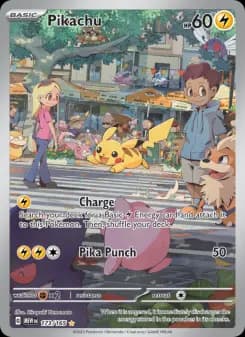
Pikachu #173

Illustration rare

The Illustration Rare Pikachu from the 151 set is the archetype of a modern chase card: the most famous Pokémon in existence, in a nostalgia set that reprints the original 151. A perfect first "grail" to work toward through trades.

View in catalog →

Charizard #4

Rare

The Base Set Charizard is the most iconic Pokémon card ever printed and the face of the vintage market. You are not buying this in month one — but understanding why it matters teaches you how history and nostalgia drive this hobby.

View in catalog →

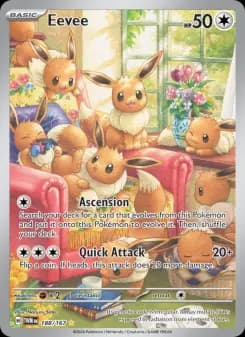
Eevee #188

Illustration rare

Eevee's Illustration Rare from Twilight Masquerade shows why species collecting is so popular: Eevee gets gorgeous new art constantly, so an Eevee-themed collection always has a next target at every price level.

View in catalog →

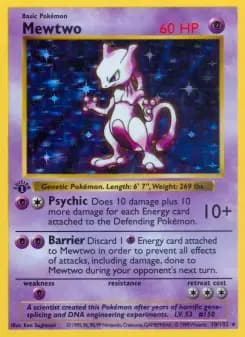
Mewtwo #10

Rare

Base Set Mewtwo is the affordable way to own a piece of 1999. Vintage collecting does not have to start with the Charizard — plenty of Base Set rares carry the same era in cardboard form for far less.

View in catalog →

Mega Darkrai ex #048

Double Rare · Market price: $0.92

The regular Double Rare printing of Mega Darkrai ex sits around $0.92 — proof that you can own the strongest cards of a current set for less than a coffee if you skip the premium art treatments.

View in catalog →

Mega Darkrai ex #116

Special Illustration Rare · Market price: $293.88

The same Mega Darkrai ex as a Special Illustration Rare trades around $293.88. Same Pokémon, same set: this pair is the whole rarity lesson in two cards, and the reason you check the exact card number before any deal.

View in catalog →

Grow your collection by trading, not just buying

Everything in this guide points to the same conclusion: the collectors who progress fastest are the ones who move their duplicates instead of hoarding them. That is exactly what Swaptio is for — a community where collectors exchange cards directly, with real market prices as a reference so both sides can see a fair deal.

Getting started takes two lists. Publish what you're looking for so collectors who have your wishlist cards can find you, and offer your duplicates so they start working for you instead of gathering dust. When you want to go deeper on any set, the set guides on our blog break down what is worth chasing, card by card, with real numbers.

Frequently asked questions

How much money do I need to start collecting Pokémon cards?

Around 20 to 30 USD covers sleeves, a binder, a couple of booster packs, and a first batch of inexpensive singles. Commons and uncommons cost cents, and many strong modern cards — like the Double Rare Mega Darkrai ex at about $0.92 — are cheap in their regular printing. Budget matters far less than protecting your cards and picking a theme.

Should I open booster packs or buy singles?

If you want a specific card, getting the single (by purchase or trade) is almost always cheaper than opening packs until it appears. Packs are entertainment with random results; singles are targeted acquisition. Most experienced collectors do a little of the first and most of the second.

Which Pokémon cards are worth money?

Value concentrates in high-rarity modern cards (Illustration Rares, Special Illustration Rares, Hyper Rares), vintage cards in good condition, and popular Pokémon — Charizard, Pikachu, Eevee lines. Rarity drives enormous gaps: the same Mega Darkrai ex is around $0.92 as a Double Rare and around $293.88 as a Special Illustration Rare. Always check the exact card number, not just the name.

Do I need to grade my cards?

No. Grading costs real money per card and only makes sense when the card's value clearly justifies the fee — think significant vintage cards or top-tier modern hits in flawless condition. For a beginner collection, sleeves, toploaders, and honest condition assessment are all you need.

How do I know if a trade is fair?

Compare current market prices for the exact printings on both sides, agree on condition with photos, and be wary of pressure to close fast. A fair trade survives both people checking the numbers. Start with low-value trades to build experience and reputation before moving anything expensive.

Is it too late to start collecting Pokémon cards?

No. New sets release constantly, modern print runs make current cards accessible, and the trading community keeps older cards in circulation. Whether your goal is completing a modern set, collecting one Pokémon, or slowly assembling vintage classics, the entry point is the same: start small, protect your cards, and trade your duplicates.